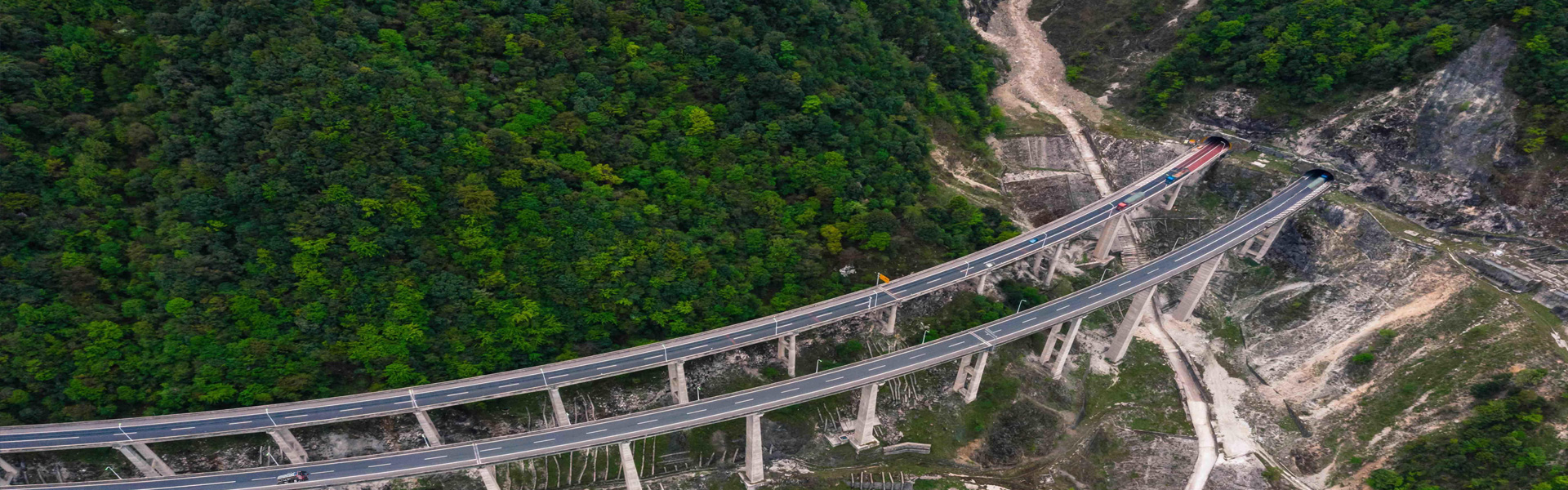
In 2025, China will launch a number of major transportation projects.
It was learned from the recently concluded 2025 National Transportation Work Conference that China’s transportation sector maintained generally stable performance with steady progress in 2024. In 2025, we will plan and advance a batch of major projects centering on the priority areas supported under the national initiative for major infrastructure projects.
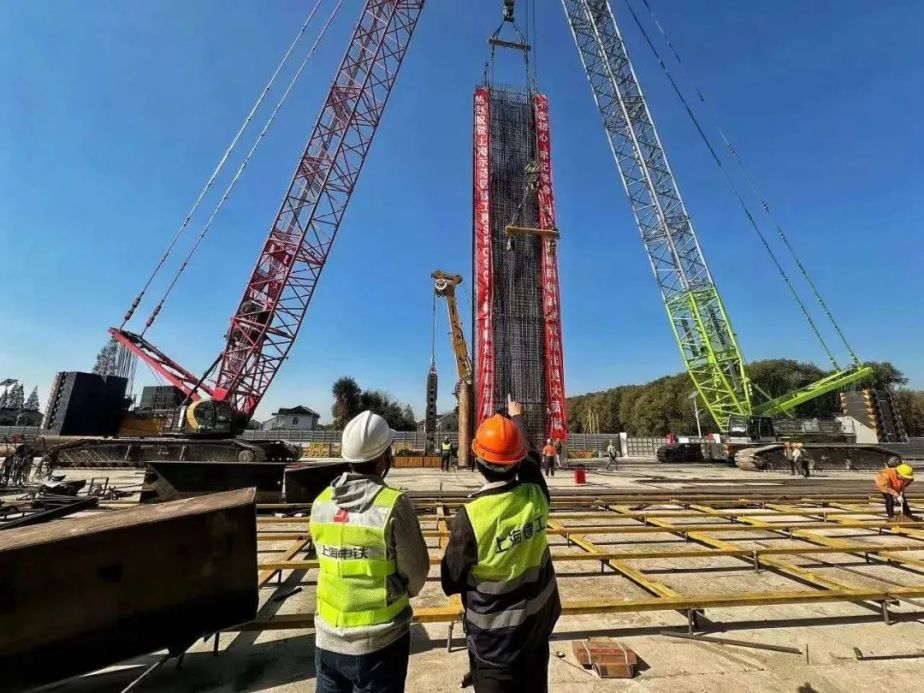
Solid progress has been made in developing the national comprehensive three-dimensional transportation network this year.
According to the conference, China’s fixed-asset investment in transportation is expected to reach approximately 3.8 trillion yuan in 2024. The operating mileage of railways exceeded 160,000 kilometers, including over 46,000 kilometers of high-speed railways. Around 50,000 kilometers of highways were newly opened to traffic, among which more than 8,000 kilometers are newly built or renovated/expanded expressways. Five new civil transport airports obtained operation certificates.
Solid strides were achieved in building the national comprehensive three-dimensional transportation network. The Shenzhen-Zhongshan Link and Huangmaohai Cross-Sea Link were opened to traffic. High-speed railways including the Chizhou-Huangshan section were put into operation, while the Shanghai-Suzhou-Huzhou High-speed Railway entered trial operation. The main lines of the Lanzhou-Haikou and Yinchuan-Kunming national expressways were fully connected. Phase II of the waterway regulation project for the Jingjiang section of the middle reaches of the Yangtze River started construction. It is estimated that roughly 160,000 kilometers of rural highways were newly built or reconstructed this year, and maintenance projects covered about 250,000 kilometers.
Work will be carried out in nine key areas next year
In 2025, the Ministry of Transport will conduct work focusing on nine priorities: accelerating the improvement of the national comprehensive three-dimensional transportation network; further cutting logistics costs and improving quality and efficiency in transport and logistics; comprehensively deepening reform in the transportation sector; fostering new quality productive forces within transportation; enhancing support capacity for major national strategies; ensuring transport safety and stability; expanding opening-up and international cooperation in transportation; delivering the goals set in the 14th Five-Year Plan and formulating the 15th Five-Year Plan for transportation.
The conference pointed out that in 2025, the Ministry of Transport will further strengthen the construction of the main framework of the national comprehensive three-dimensional transportation network, and basically complete the main line of the national expressway network known as the "71118" network.
Construction of major projects will be accelerated, including the Shanghai-Chongqing-Chengdu Riverside High-speed Railway, the Pinglu Canal and the North Xiaoyangshan Container Terminal.
Efforts will be made to launch projects such as the Duku Expressway, and strive to complete the Changtai Yangtze River Bridge and Urumqi-Yutian Expressway.
Centering on the key support areas for the two categories of major infrastructure initiatives, authorities will plan and advance a batch of major project packages and key projects. For projects already eligible for support, efforts will be intensified to ensure their early commencement.
Meanwhile, adjustments to transport structure will be deepened to boost the shift of bulk cargo transportation from highways to railways and waterways in key regions. The integrated development of transport, logistics and related industries will be promoted. Targeted logistics support measures will be formulated for individual industries focusing on advanced manufacturing, key raw materials and critical supply chain products. The capacity of international logistics supply chains will be elevated, and the international logistics support system for China’s three new key export products will be refined.


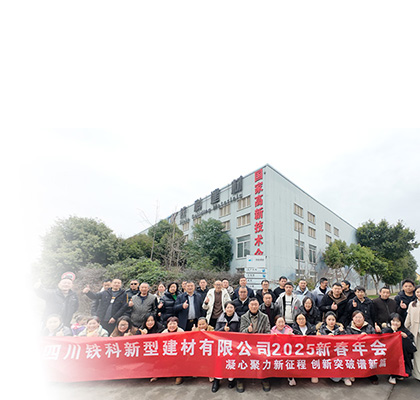 Provide better services and higher-quality products for construction and building units, and work with colleagues to create modern masterpiecesThe company has established a research and development platform for energy-saving and environmentally friendly new materials with Sichuan University and Southwest Jiaotong University, successfully developed fifteen new materials and products, and obtained international and domestic invention patents.Learn More
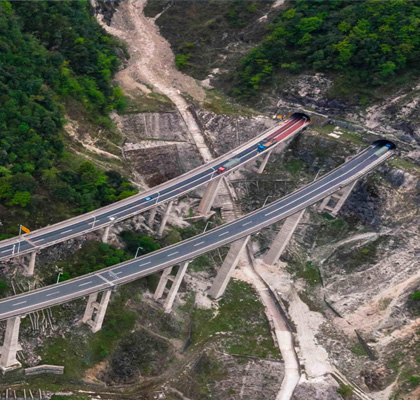 Create value for customers and gradually form a grand market pattern of "based in the southwest, facing the whole country, and going global".Tieke has journeyed through a solid yesterday and is now marching towards a promising tomorrow. In the years ahead, with our full enthusiasm, sincere dedication, excellent service, and lean products, we look forward to sincerely cooperating with you. We hope more friends will pay attention to and integrate into Tieke's development. In Tieke's new leap and rise, we will seek common development, share success, and create brilliance together!Learn More